Best time to visit
The best time to visit is between November and May.
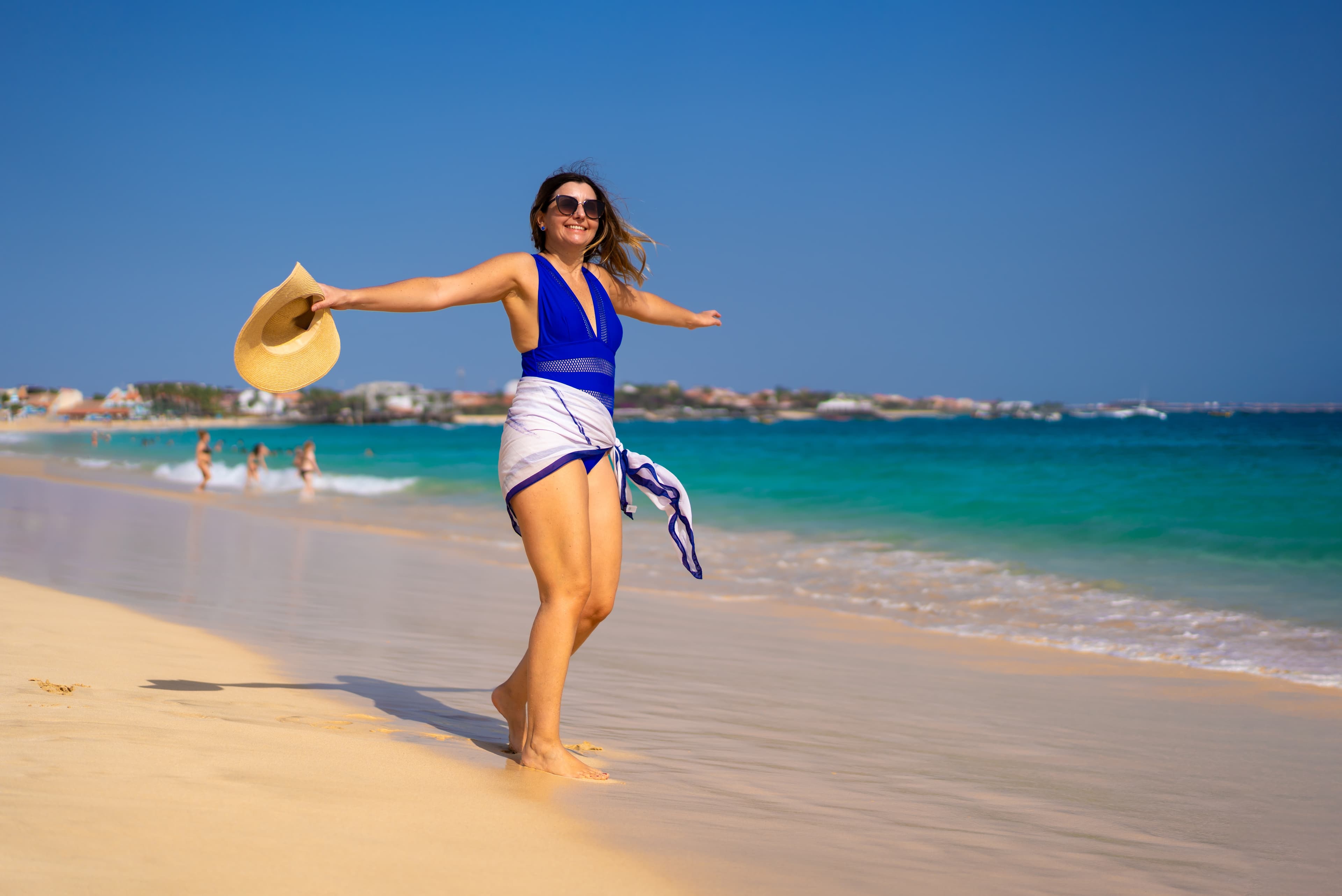
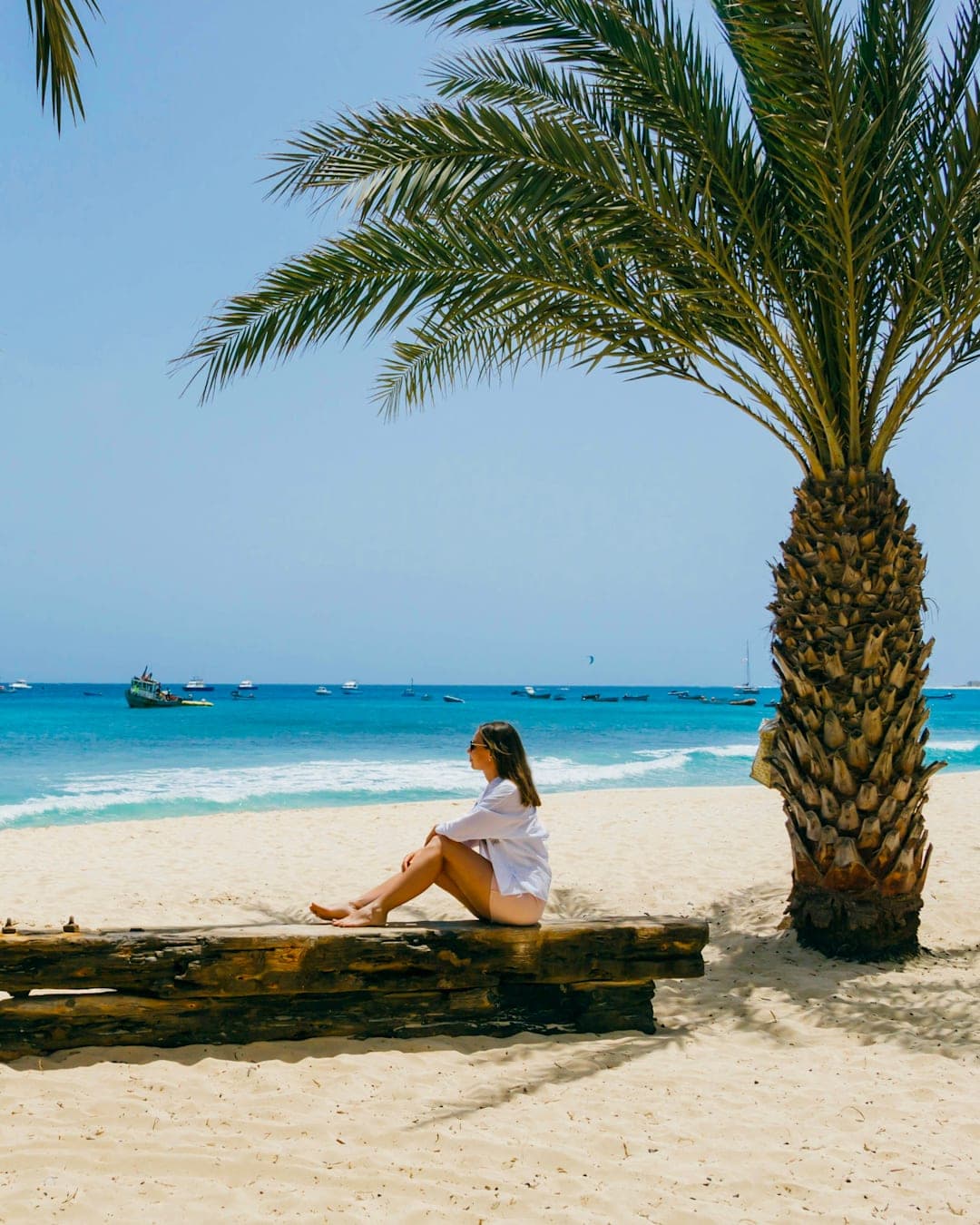
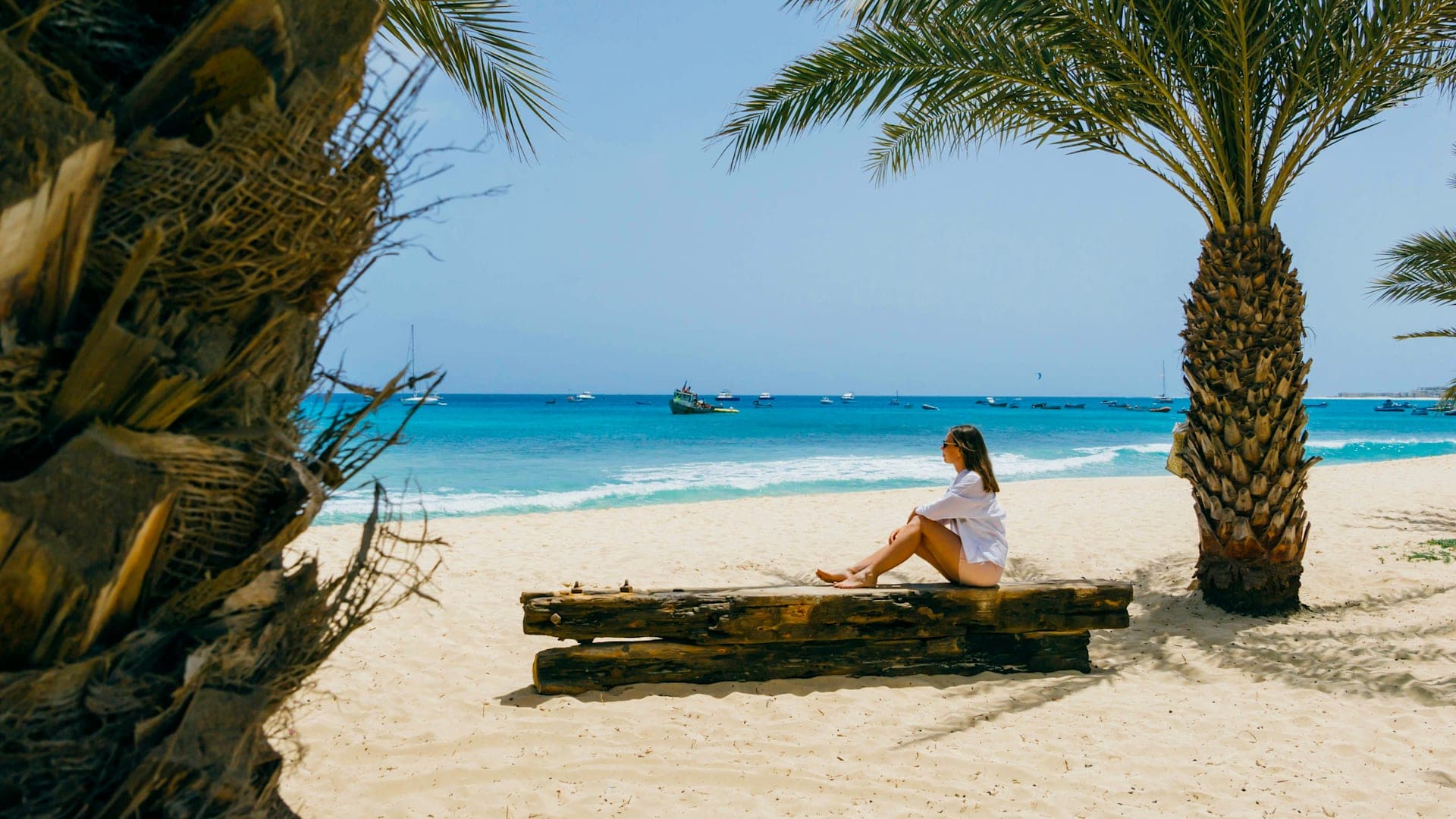
Ten islands off the west coast of Africa, each one different, none of them superfluous. Cabo Verde sits out in the Atlantic where African roots and Portuguese heritage flow together – felt in the music that sounds like longing, in the food that tastes equally of Africa and Portugal and in landscapes ranging from white sand to active volcanoes. Sal and Boa Vista deliver dream beaches and turquoise water, while São Vicente sounds of morna drifting from the bars of Mindelo in the evening. Santo Antão surprises with gorges and volcanic peaks, Santiago shows you the authentic Cabo Verde and Fogo smoulders in the background. You'll quickly come to understand that one island is rarely enough.
The best time to visit is between November and May.
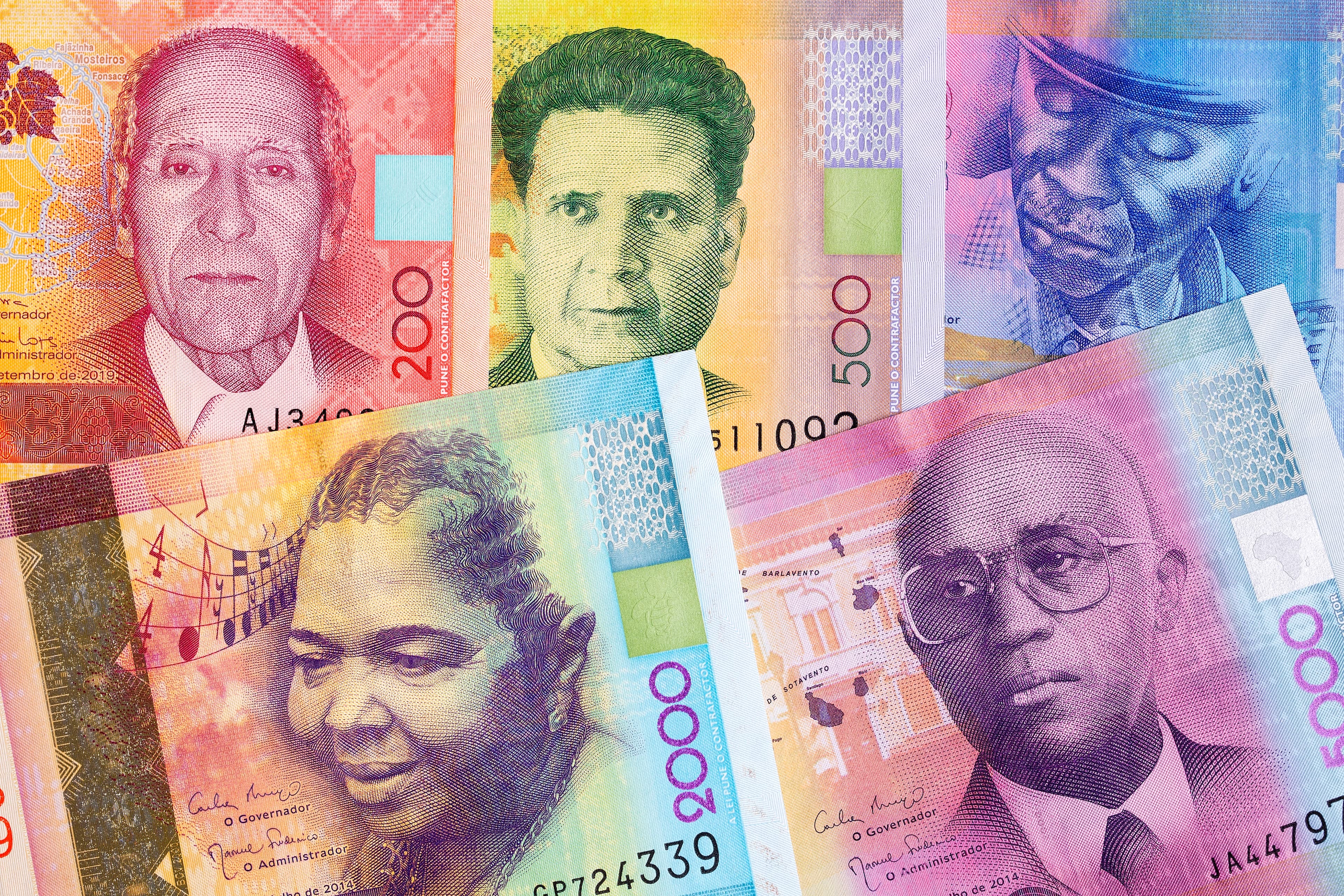
Cabo Verde's currency is the Cabo Verdean escudo (CVE).
Direct flights take around six hours.

The official language is Portuguese, though in everyday life people speak Creole – a blend of Portuguese and West African languages.
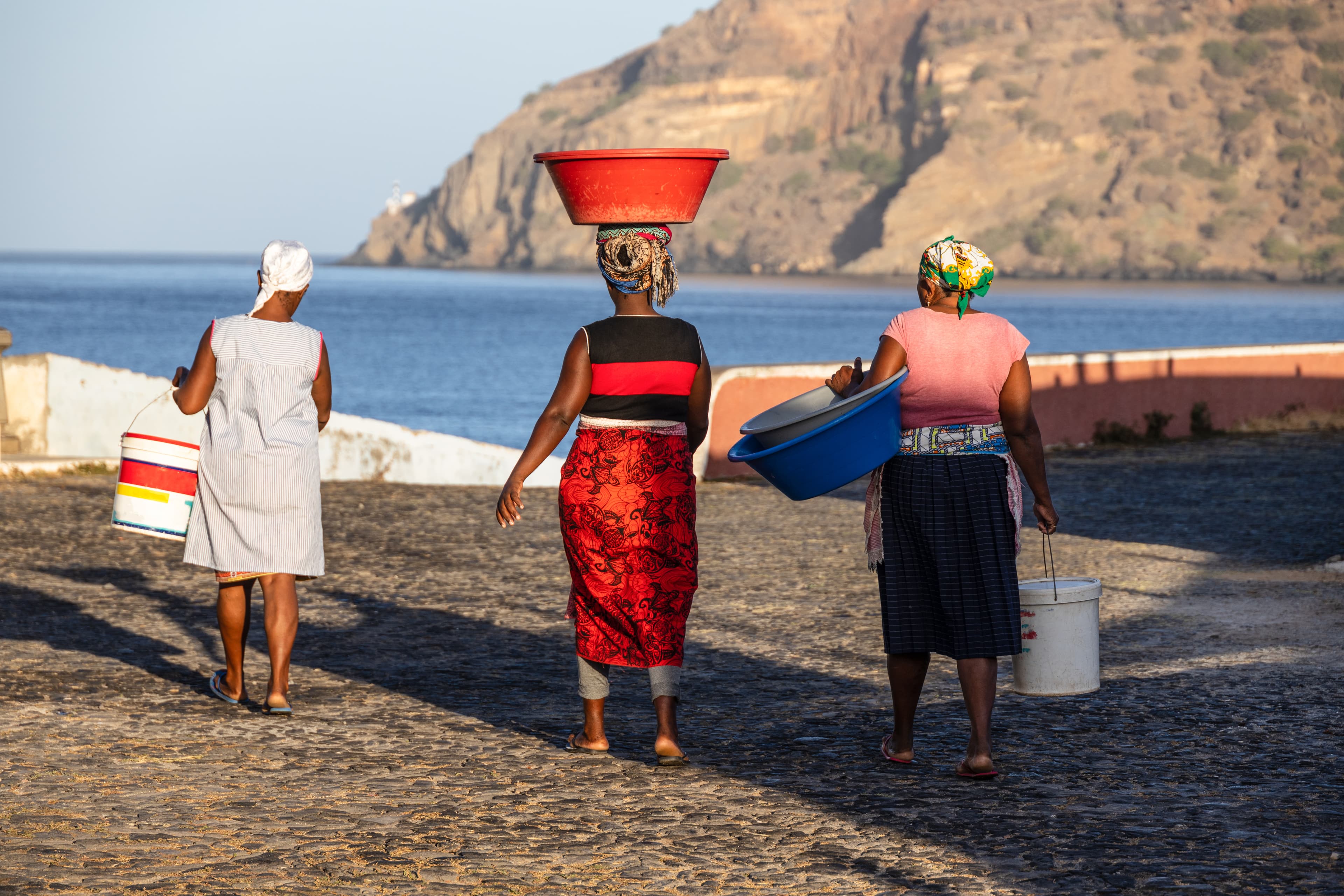
Cabo Verde is full of highlights, but these must-sees belong on your bucket list.
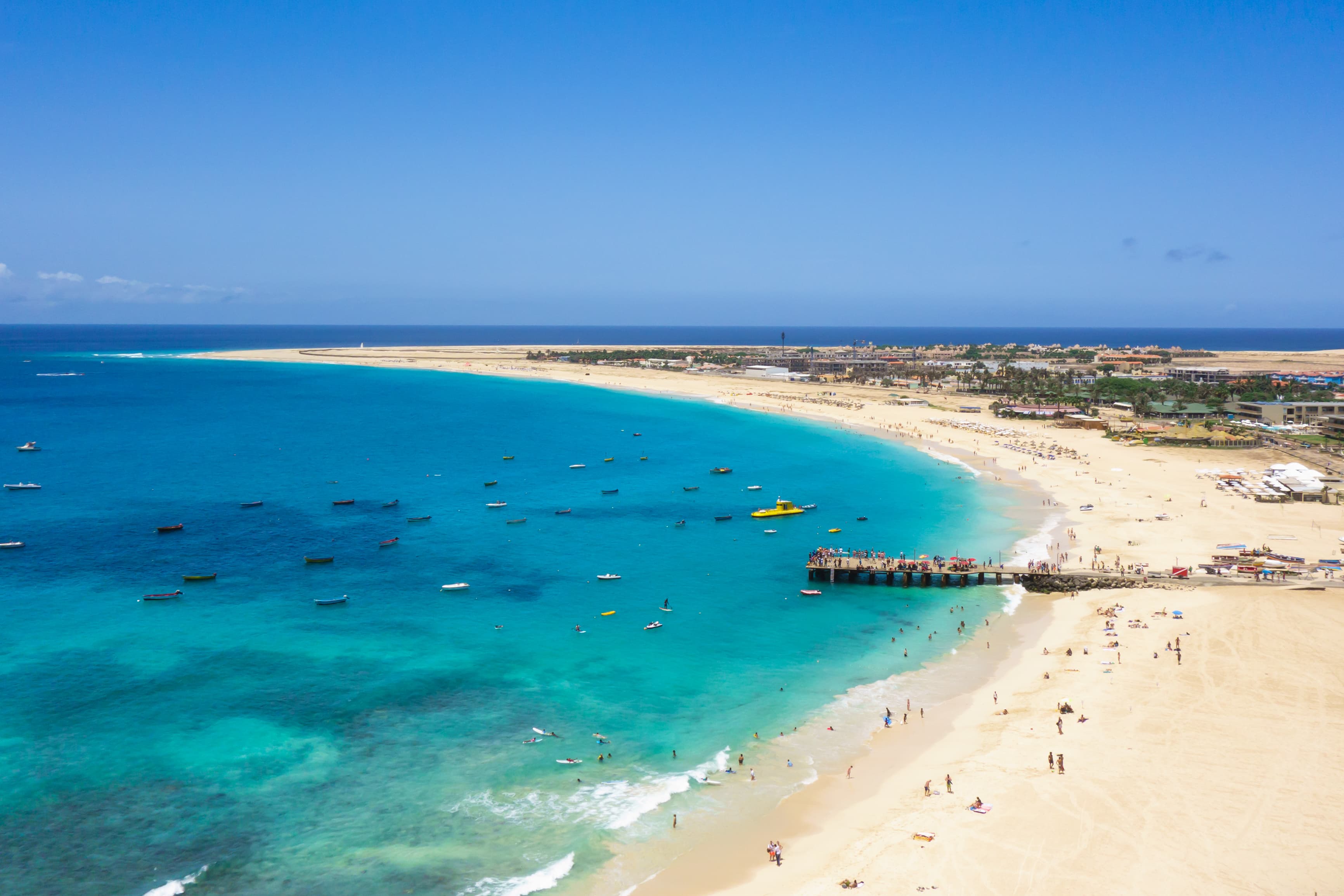
Sal is Cabo Verde's sunniest island – 350 days of sunshine a year and barely a cloud on the horizon. Santa Maria welcomes you with a kilometre of white sand, turquoise water and a beach promenade that smells of fresh fish and sounds of live music in the evening. Off the coast, you'll snorkel over coral reefs, and in the lava cave of Buracona the island's famous blue eye glows as soon as the sun hits it at just the right angle. Pedra de Lume lies in the island's interior: an extinct volcanic crater filled with salt water where you'll float effortlessly, just as you would in the Dead Sea. Espargos in the centre shows you a different side of Sal – everyday Cabo Verdean life beyond the beach bars.
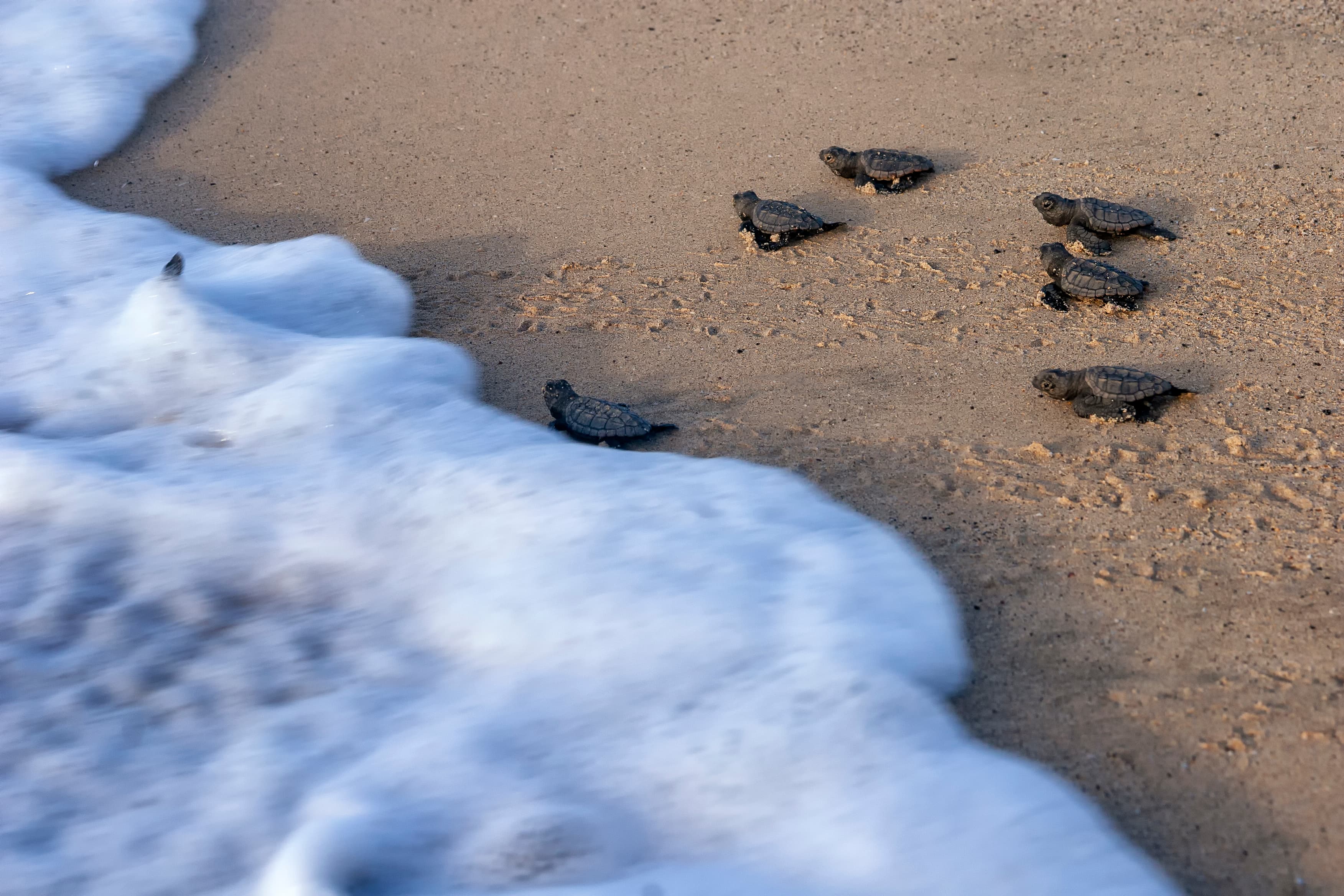
Sal has the beach bars; Boa Vista has the silence. Wide dunes, deserted beaches and an island interior so still that you can hear the sea from a distance. Sal Rei, the capital, is small and colourful: fishermen at the harbour, pastel-coloured façades and a market that comes to life in the mornings. In the island's interior, the Deserto de Viana stretches out like a miniature Sahara, the sand as fine as flour. From June to October, sea turtles crawl ashore from the Atlantic at night to lay their eggs – one of the rarest natural spectacles in West Africa.
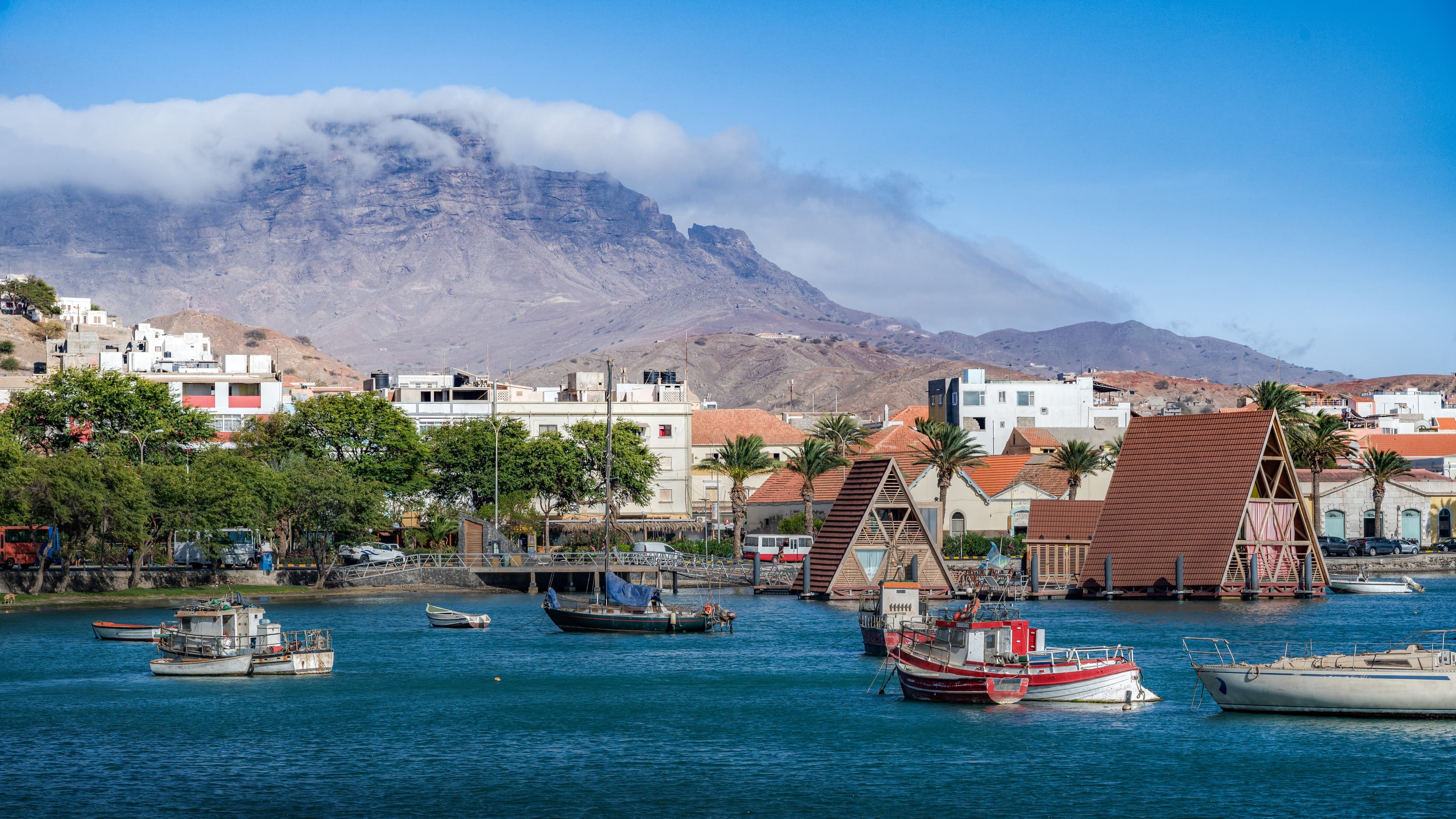
São Vicente is where Cape Verde's cultural heart beats loudest. And in Mindelo, the island's capital, you hear it before you see it. The sounds of morna drift from open doorways onto the squares, and small galleries in colonial buildings showcase local art. At the harbour, fishing boats sit moored before warehouses that today house cafés and bars. In February, Carnival sets the streets shaking: drums, feathered costumes and singing deep into the night – West Africa's greatest street festival. Above the city sits Monte Verde, the highest point on São Vicente, with views across the harbour and the bay and on a clear day all the way to the island of Santo Antão.
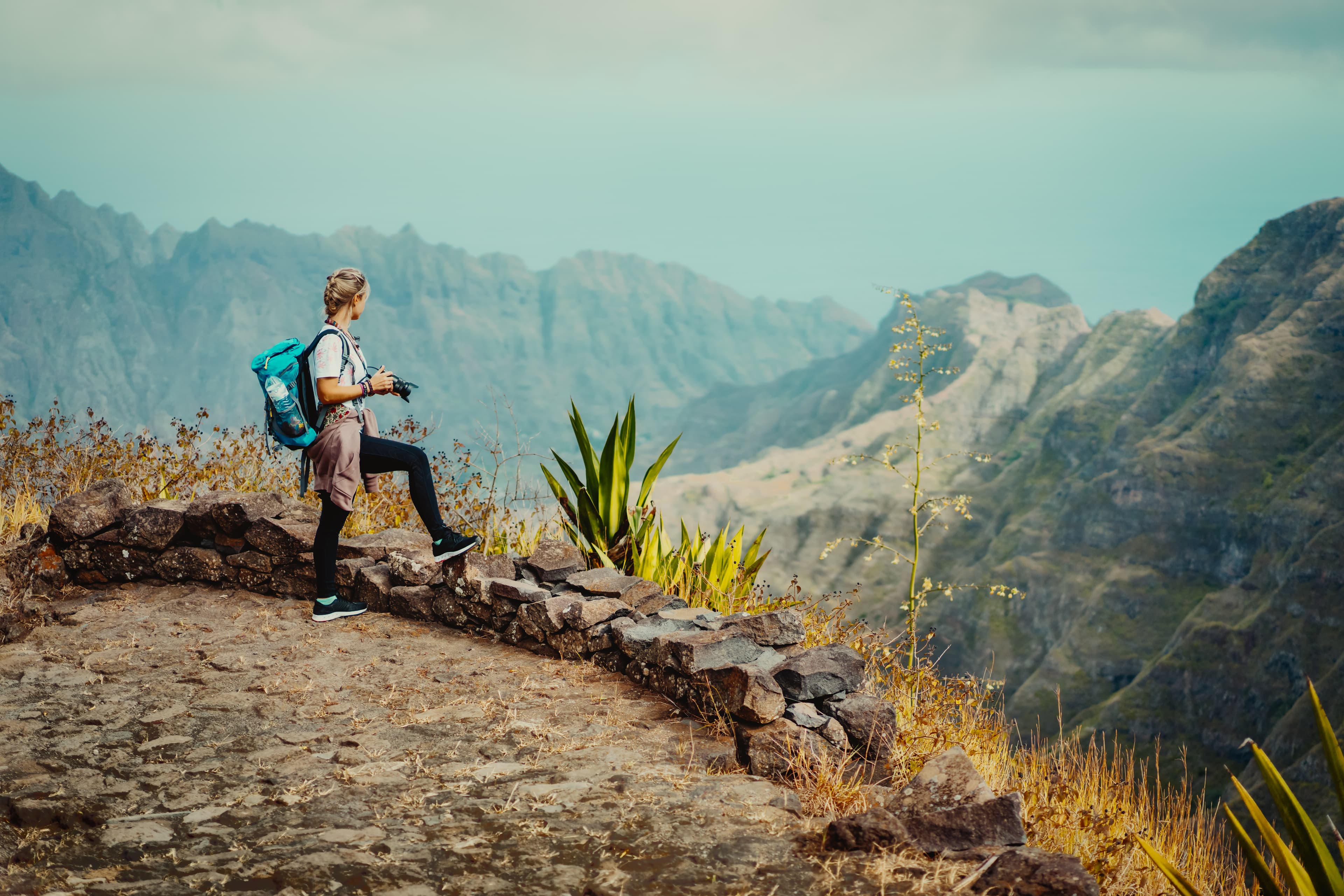
Santo Antão is Cabo Verde's green side. Beyond the harbour of Porto Novo, a landscape opens up that few people associate with the archipelago: deep valleys carve into the island's interior, jagged volcanic peaks rise into the sky and terraced fields spiral up steep hillsides. In the north lies Ribeira Brava, the heart of the island. In between: gorges where the sun doesn't arrive until midday, streams winding between sugar cane and banana fields and villages that look as though they grew straight out of the rock. On Santo Antão, Cabo Verde defies every postcard cliché – green, rugged and surprisingly alpine.
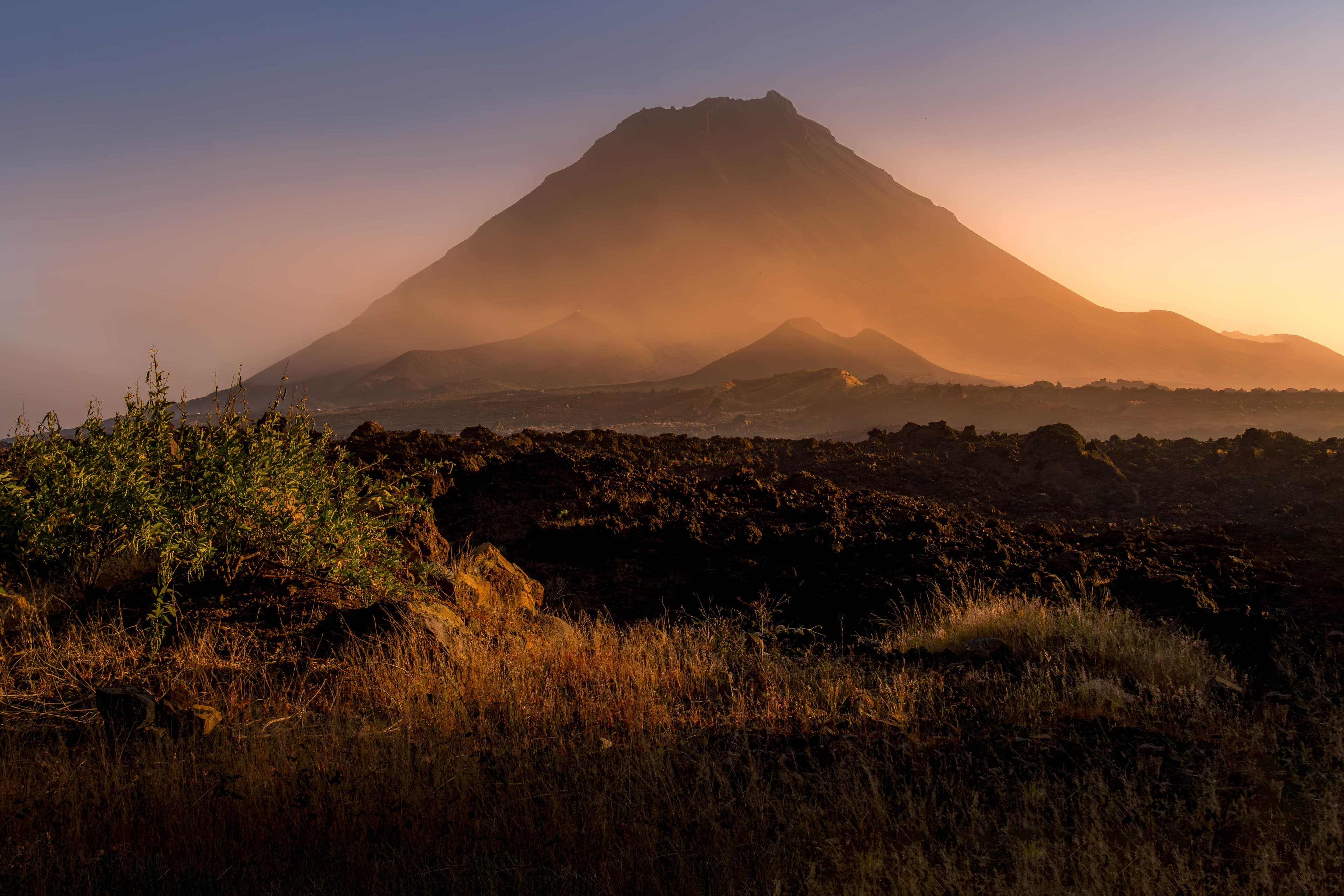
Santiago is the largest island in the archipelago – and the one with the deepest African roots. Praia, the capital of Cabo Verde, thrives on bustling markets, Creole cuisine and music that spills out of every other bar in the evening. Half an hour to the west lies Cidade Velha, the first European colonial city in the tropics and a UNESCO World Heritage Site, its ruins swept by Atlantic winds for centuries. In the north, things grow quieter: in Tarrafal, beaches of black lava sand glisten in the sun. Off the coast, Fogo awaits with its 2,829-metre Pico do Fogo volcano and wine grown on its slopes, alongside Maio, Brava and São Nicolau – the quieter sides of Cabo Verde.